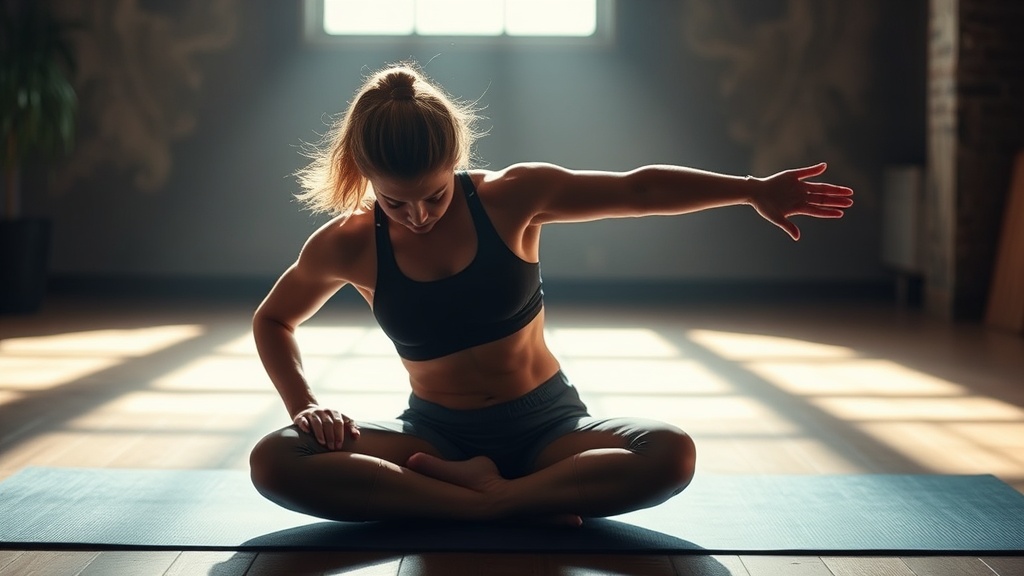
Stabilizing Your Core for High-Intensity Rapid Navigation
Research shows that a sudden impact from a hydraulic or a lateral wave can exert forces exceeding three times your body weight against your torso. This post covers the physiological mechanics of core stability required to stay seated in a raft during high-intensity rapid-fire paddling and how to train for those specific stresses. You'll find practical drills, the science of torque, and how to build a midsection that doesn't fold when the river hits back.
Why is core stability important for whitewater rafters?
Core stability is the foundation of effective power transfer from your paddle to the water. Without a stable midsection, your upper body moves independently of your lower body, which leads to wasted energy and a massive loss of control during heavy strokes. When you're fighting a Class IV rapid, your core acts as the bridge between your paddle blade and the boat's hull. If that bridge is weak, you'll find yourself leaning too far into a turn or losing your balance during a heavy draw stroke.
Think about a high-angle stroke. You aren't just using your arms; you're pulling with your entire upper body. If your obliques and transverse abdominis aren't engaged, that power dissipates before it ever reaches the water. It's the difference between a sharp, decisive movement and a sloppy, sluggish one. It's also about safety—a strong core keeps you in the boat when things get chaotic.
The physical demand is intense. You aren't just doing sit-ups here. You're resisting rotational forces and lateral jolts. It's a constant battle against gravity and momentum. If you haven't already looked into upper body training for whitewater rafting, you'll see how much the core supports the limbs.
"Stability isn't just about staying upright; it's about being the anchor for your paddle's power."
How can I build rotational strength for paddling?
You build rotational strength by performing exercises that mimic the twisting-and-pulling motion of a heavy stroke. Most people focus too much on the "crunch" and not enough on the "twist." In a raft, you aren't just moving up and down; you're rotating your torso to reach for the water at different angles. This requires a mix of anti-rotational strength and active rotational power.
A great way to start is with the Russian Twist, but don't just swing a weight around. Control the movement. If you're using a medicine ball, focus on the eccentric phase—the part where you're slowing the weight down. That's where the real strength is built. You might also try the Pallof Press. It's a fantastic tool for anti-rotation. You hold a resistance band out in front of you and resist the band trying to pull you to the side. It's simple, but it works.
Here are three effective ways to train your rotation:
- Woodchoppers: Use a cable machine or a resistance band. Move from high to low, mimicking a heavy stroke.
- Medicine Ball Slams: This builds explosive power. Slam the ball down with force, then control the rebound.
- Side Planks with Rotation: This targets the obliques and improves your ability to stabilize during lateral waves.
Don't forget that your back muscles play a huge role here too. A strong core is useless if your spinal extensors are weak. You need a 360-degree approach to stability. If you're only training the front of your body, you're asking for a back injury mid-river.
What are the best exercises for core stability in a raft?
The best exercises for raft stability are those that challenge your ability to resist unwanted movement while under tension. In the river, you're often trying to stay still while the world around you is moving. This makes "anti-movement" exercises more valuable than standard crunches. You want to train your body to remain a rigid unit despite external forces.
I've broken down the most effective movements into a comparison table so you can see which ones target specific rafting needs.
| Exercise Type | Primary Benefit | Example Movement |
|---|---|---|
| Anti-Rotation | Resisting side-to-side jolts | Pallof Press |
| Anti-Extension | Preventing lower back strain | Dead Bug or Plank |
| Rotational Power | Increasing stroke intensity | Medicine Ball Rotational Toss |
| Dynamic Stability | Handling uneven surfaces | Single-leg Romanian Deadlift |
If you're looking for high-end gear to help with this, a set of Rogue Fitness kettlebells or resistance bands can turn a home workout into a professional-grade training session. You don't need a full gym; you just need resistance and a plan.
The Dead Bug is an underrated gem. It looks easy, but if you do it right—keeping your lower back pressed into the floor—it's a brutal test of stability. It trains your core to protect your spine while your limbs are moving, which is exactly what happens when you're reaching for a stroke in a high-angle position.
One thing to keep in mind: don't overcomplicate it. You don't need a fancy machine to get better. You just need to challenge your stability in different planes of motion. If you can master the ability to stay centered while your limbs are moving, you'll be a much more effective paddler. It's a way to ensure you aren't just a passenger in the boat, but an active driver.
It's also worth noting that grip strength and core stability are more connected than you might think. When your grip fails, your core often compensates by over-rotating, which can lead to fatigue. Check out my guide on building grip endurance to see how these systems work together. A strong grip allows you to focus your energy on the core and the paddle stroke, rather than just hanging on for dear life.
If you find yourself getting winded or losing your seat during heavy sections, it's probably not your cardio—it's your stability. Your body is struggling to maintain its position, and that consumes massive amounts of oxygen. A stable core keeps your breathing efficient and your movements precise. It's a subtle difference, but on a long river day, it's the difference between finishing strong and struggling to stay upright.
Training for the river isn't about looking good in a mirror. It's about functional capacity. It's about being able to take a hit from a wave and not end up in the water. Focus on the movements that challenge your control, and you'll see the results when you're out on the water. Get the work in now so you don't have to play catch-up when the rapids get heavy.