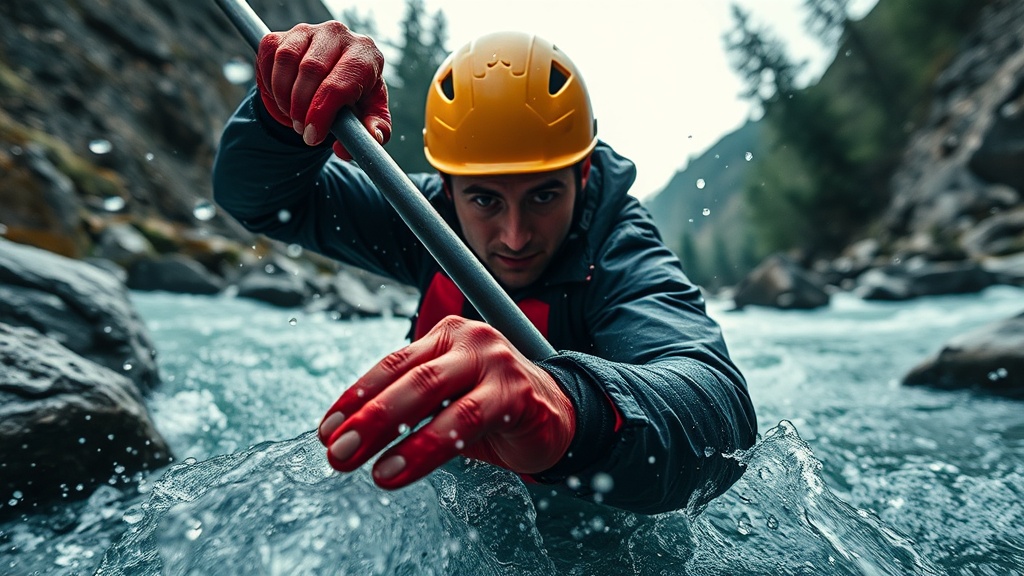
Building Grip Endurance for Long River Days

Most paddlers think grip strength is about how much weight you can curl or how hard you can squeeze a heavy object. That's a mistake. In whitewater, you don't need raw crushing power as much as you need endurance—the ability to maintain a secure hold on your paddle while your forearms are screaming from repetitive, high-intensity strokes. This post covers the specific training methods, equipment, and recovery tactics you need to stop your hands from cramping mid-rapid. If you want to stay in the boat during a long descent, you have to train for time under tension, not just max effort.
When you're hitting a heavy class IV section, your hands are constantly adjusting to the torque of the water against your blade. If your grip fails, your technique fails. You'll lose your leverage, and suddenly you're fighting the river with your shoulders instead of your core. That's a recipe for a swim.
How Do You Build Grip Endurance for Paddling?
To build grip endurance, you need to focus on isometric holds and high-repetition accessory movements that mimic the sustained tension of a long river day. Standard gym lifting often focuses on short, explosive bursts of strength. Rafting is different. You're holding a fixed position while your muscles are constantly being pulsed by the rhythm of the stroke. This requires a specific type of muscular stamina.
The best way to start is by incorporating "time under tension" into your existing workouts. Instead of just doing a set of ten pull-ups and dropping, try hanging from the bar for as long as possible. This builds that deep, dull ache in the forearms that you'll eventually feel during a long afternoon on the water. It's not pretty, but it works.
Here are three specific training methods to integrate into your routine:
- Farmer's Carries: Grab two heavy dumbbells or kettlebells and walk. Don't just do it for a few steps—aim for distance or time. This builds the foundational stability needed when the boat is bouncing through heavy chop.
- Dead Hangs: Find a pull-up bar and just hang. If you can do a minute, start adding weight with a dip belt. This is perhaps the most direct way to prepare your hands for the fatigue of a long descent.
- Plate Pinches: Take two weight plates, hold them together with your fingers (not your palm), and hold them for time. This targets the smaller muscles in your hands that often give out first.
If you're already working on your strength, you might want to check out my previous guide on essential upper body training for whitewater rafting success. It covers the foundational movements that support your grip work.
What Are the Best Grip Training Tools?
The best tools for grip training are those that allow for varied resistance and can be used both at home and in a gym setting. You don't need a massive setup; you just need tools that challenge your dexterity and endurance.
I've used a variety of gear over the years, and some are much more effective than others. For example, a simple set of hand grippers can be great for quick sessions, but they don't quite capture the "hold" aspect of paddling. For that, you need something that mimics a paddle shaft.
| Tool Type | Primary Benefit | Best For... |
|---|---|---|
| Kettlebells | Total body stability | Functional strength and heavy carries |
| Fat Grips | Increasing shaft diameter | Simulating thicker paddle handles |
| Hangboard | Finger tendon strength | Advanced endurance and precision |
| Resistance Bands | Variable tension | High-rep, low-impact fatigue |
One of my favorite hacks is using "Fat Grips" on standard barbells or even your dumbbells. By making the handle thicker, you force your hands to work much harder to maintain a grip. It’s a brutal way to train, but it makes a standard paddle feel like a toothpick by comparison.
Worth noting—don't overdo it. Your tendons are much slower to adapt than your muscles. If you jump into heavy dead hangs every single day, you're going to end up with tendonitis (and a very unhappy physical therapist).
How Often Should You Train Your Grip?
You should train your grip endurance two to three times per week, ensuring you have at least 48 hours of recovery between sessions. Because the small muscles in your hands and forearms are easily overtaxed, frequent training without rest can lead to chronic fatigue or injury.
It's easy to get carried away. You finish a workout and think, "I can do one more set of hangs." Don't. In the world of extreme sports, the margin for error is thin. If your hands are fatigued because you overtrained in the gym, you're a liability in the raft. You want to be able to react to a sudden surge of water—not struggle to even hold onto your paddle.
Here is a sample weekly structure for a paddler:
- Monday: Heavy Strength (Deadlifts, Rows, Pull-ups).
- Tuesday: Active Recovery (Light rowing or swimming).
- Wednesday: Grip Endurance Focus (Farmer's carries, plate pinches, and hanging).
- Thursday: Rest.
- Friday: Full Body Explosive Training (Cleans, Box jumps, etc.).
- Saturday: River Day (The real test).
- Sunday: Full Rest.
The catch? Most people ignore the recovery phase. They treat the gym like a place to punish themselves, but the actual "building" happens when you're sleeping. If you aren't getting enough rest, your grip strength will actually plateau or even decrease.
I've seen plenty of guys show up to the river with massive biceps but hands that cramp up after twenty minutes of heavy paddling. It's a common pitfall. You can have all the power in the world, but if your connection to the tool is broken, that power is useless. It's about the link between your strength and the water.
When you're out on the river, pay attention to the early warning signs. If you feel that first "tingle" or a slight numbness in your fingers, it's a sign that your grip endurance is hitting its limit. This isn't just a physical sensation—it's a warning that your control is about to diminish. At that point, you need to adjust your stroke or your grip slightly to redistribute the load, but don't ignore it.
A lot of people try to use more "grip" to fight the water when things get heavy. That's actually the opposite of what you should do. You want a firm, secure hold, but a "death grip" will burn through your endurance in minutes. Aim for a grip that is strong but adaptable. Think of it as a dynamic connection rather than a static one.
If you're looking for more technical gear advice, you might want to look at the official National Park Service guidelines for river safety, which often touch on the importance of equipment reliability and personal preparedness. Having a strong grip is part of that preparedness.
Keep your training focused, keep your recovery intentional, and you'll find that those long, grueling afternoons on the river become much more manageable. You'll spend less time worrying about your hands and more time actually enjoying the line.