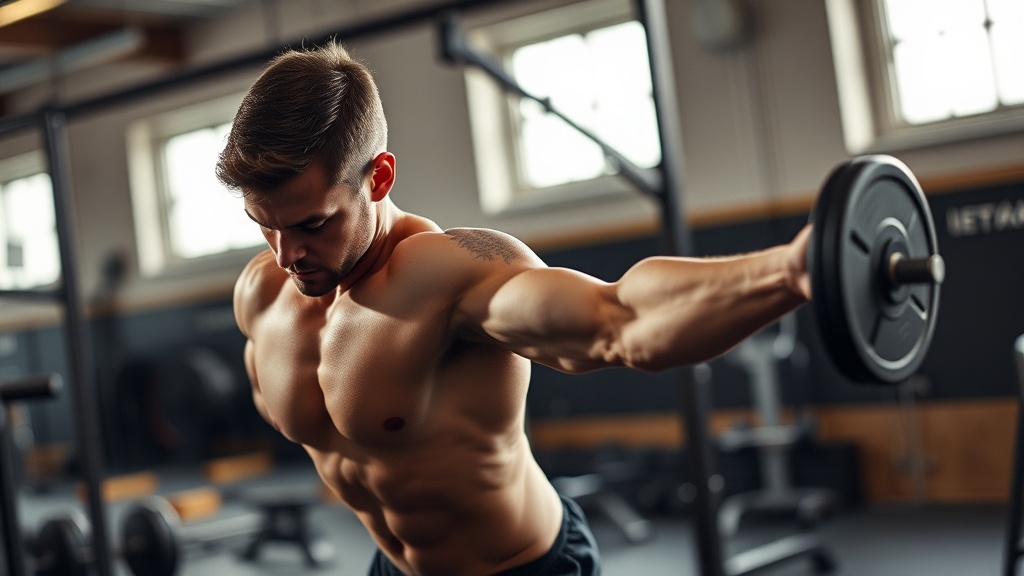
Why Your Core Strength Matters More Than Your Arm Strength
The Myth of the Strong Upper Body
Most people assume that being a powerhouse on the river comes down to how much you can bench press or how thick your biceps are. They think big arms and heavy shoulders are the ticket to crushing Class IV rapids. They're wrong. While upper body strength certainly helps, relying solely on your arms is a fast track to premature fatigue and potential injury. Real power in a raft doesn't start in the shoulders; it starts in the midsection. If your core is weak, your ability to transfer energy from the paddle through your body into the water is broken. You'll find yourself gasping for air halfway through a long run because your arms are doing all the work that your trunk should be managing.
When you're bracing against a heavy wave or digging in for a high-angle stroke, your core acts as the bridge. It connects your lower body—which is braced against the floor of the raft—to your upper body. Without a stable center, every stroke becomes a disconnected, inefficient movement. You'll feel shaky, unstable, and frankly, much slower. This post looks at why functional stability beats raw lifting strength every single time when you're out on the water.
How to Build Functional Core Stability for Rafting?
To build a core that actually serves you during a heavy descent, you need to move beyond basic sit-ups. Standard crunches are fine for aesthetics, but they don't prepare you for the rotational forces and unpredictable jolts of a whitewater environment. You need anti-rotational strength and lateral stability. Think about the way a raft tilts and shifts under your weight—you need to be able to resist those forces without losing your balance.
Try incorporating these movements into your weekly training routine:
- Pallof Presses: This is a standout movement for teaching your body to resist rotation. It mimics the feeling of a sudden surge of water trying to pull your torso out of alignment.
- Plank Variations: Don't just hold a standard plank. Add movement. Side planks, bird-dogs, and dynamic plank reaches force your stabilizers to work harder.
- Medicine Ball Slams: These build explosive power and teach your core to handle rapid-fire movements, which is exactly what happens during a technical rapid.
A great resource for understanding how to build a more stable base is the National Strength and Conditioning Association, which provides deep dives into functional movement patterns. If you want to see how these mechanics apply to high-intensity sports, their research is a gold standard.
Can You Train for Rotational Power on Land?
A lot of paddlers ask if they can simulate the twisting motion of a stroke while in the gym. The answer is a resounding yes. A stroke isn't just a pull; it's a rotational event. Your torso rotates, and your core must manage that torque. If you only train in a single plane—like a standard barbell squat—you're leaving a massive gap in your preparation.
To bridge this gap, look at rotational exercises that involve a heavy load and a controlled deceleration. The goal isn't just to spin your torso, but to be able to stop that spin instantly. This is what allows you to execute a quick stroke and immediately return to a stable position. Exercises like the woodchop or the rotational landmine press are excellent for this. They force you to use your obliques and deep abdominal muscles to stabilize the weight through a range of motion.
The Importance of Isometric Holds
In the middle of a heavy rapid, you aren't always moving; sometimes you're just fighting to stay upright. This is where isometric strength comes in. An isometric hold is when a muscle stays under tension without changing length. In a raft, you're often stuck in a bracing position for several seconds at a time. If your muscles can't hold that position, you'll collapse. This is why dead hangs or weighted carries (like the farmer's walk) are so effective. They build the kind of endurance needed to keep your posture upright when the river is trying to knock you down.
Does Core Strength Prevent Lower Back Pain?
This is a huge issue for long-term paddlers. If your core is weak, your lower back (the lumbar spine) often takes the brunt of the impact from waves and jolts. This leads to chronic soreness and, eventually, injury. By building a rigid, stable midsection, you're essentially creating a natural weight belt. This protects your spine and allows you to paddle for years without the constant ache that many veteran rafters deal with.
Studies on spinal stability often highlight how a strong transverse abdominis (the deep, internal muscle) acts as a stabilizer for the spine. You can find more on the mechanics of spinal health and movement through Mayo Clinic, which offers excellent breakdowns of how muscle groups support the skeletal system. Strengthening these deep-seated muscles is your best defense against the physical toll of the sport.
"Strength is not just about how much you can move; it's about how well you can resist unwanted movement."
When you approach your training with this mindset, you stop being a person who just 'lifts weights' and start being an athlete who builds a functional, resilient body. Your training should reflect the reality of the river: unpredictable, rotational, and demanding of your stability. If you can master your core, you'll find that your upper body strength actually becomes much more effective, because it finally has a solid foundation to work from.