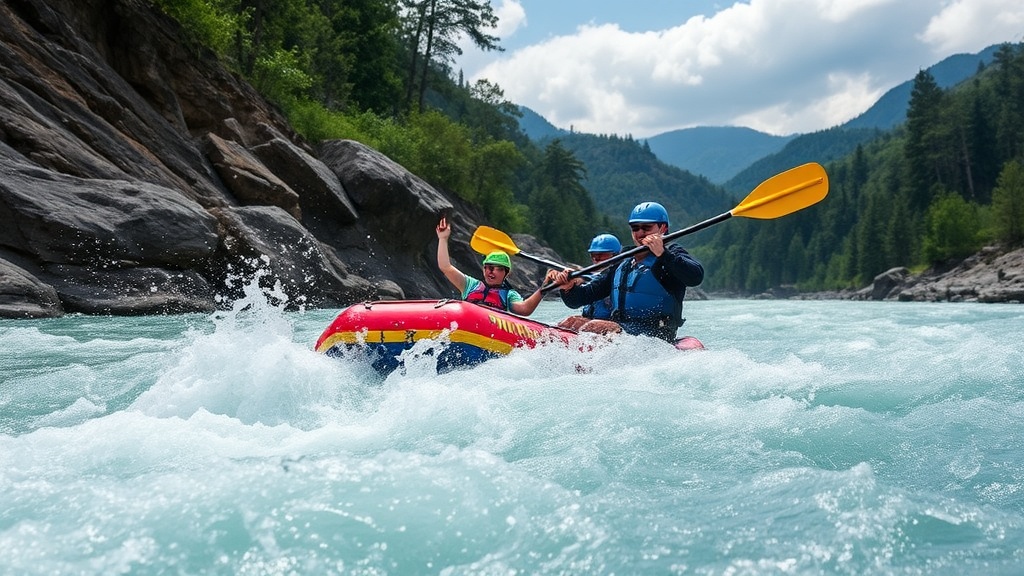
Whitewater Rafting Beginner’s Guide: Skills, Safety, and First Run Confidence

You don’t need years of paddling experience to start whitewater rafting—but you do need the right mindset, some foundational skills, and a healthy respect for moving water. This guide cuts through the fluff and gives you what actually matters before your first run.
Understanding River Classifications Before You Go

Not all rapids are created equal. Rivers are graded from Class I (flat, easy) to Class VI (extreme and often considered unrunnable). Beginners should stay in the Class II–III range where the waves are manageable and the risks are controlled.
Class II introduces small waves and straightforward navigation. Class III adds larger waves, stronger currents, and the need for precise paddling. If you’re brand new, don’t jump straight into big water because it looks exciting—you’ll learn faster and safer by building up gradually.
Essential Gear That Actually Matters
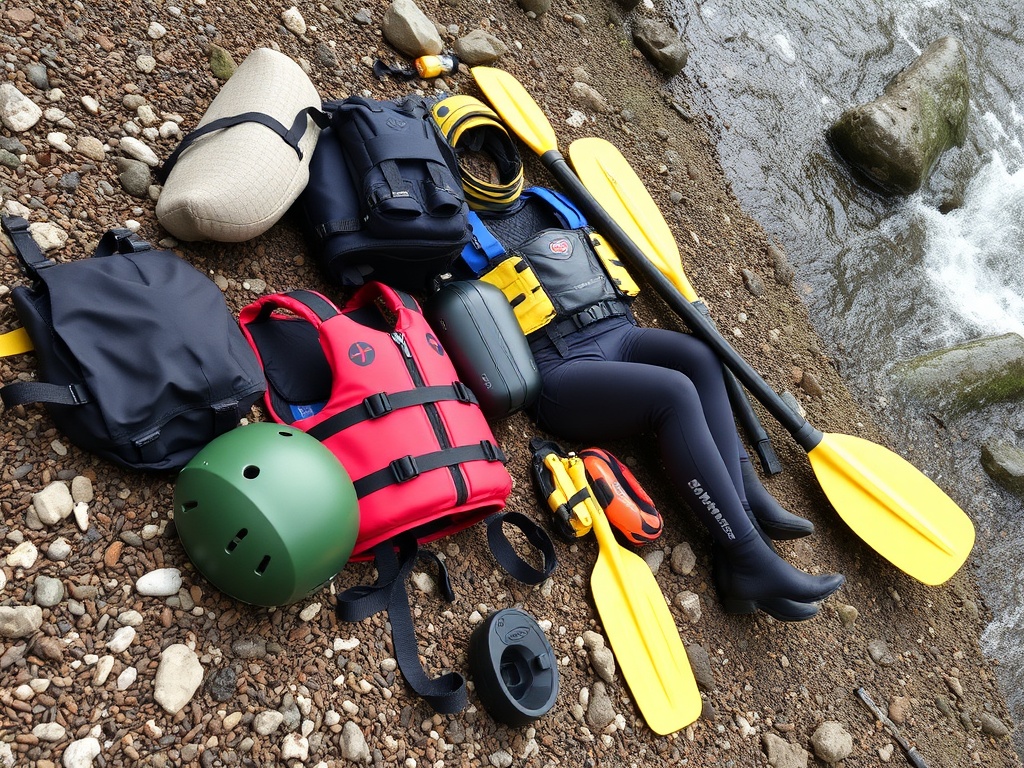
You don’t need a garage full of gear, but what you do use has to be right.
- PFD (Personal Flotation Device): Non-negotiable. It should fit snugly and not ride up.
- Helmet: Protects you in shallow, rocky sections.
- Paddle: Lightweight, durable, and sized correctly for your height.
- Footwear: Secure water shoes with grip—no flip-flops.
- Thermal layers: Depending on water temperature, a wetsuit or dry layer can make or break your day.
If something feels loose or uncomfortable before launch, fix it immediately. Small gear issues become big problems in moving water.
Core Paddling Techniques You Need on Day One
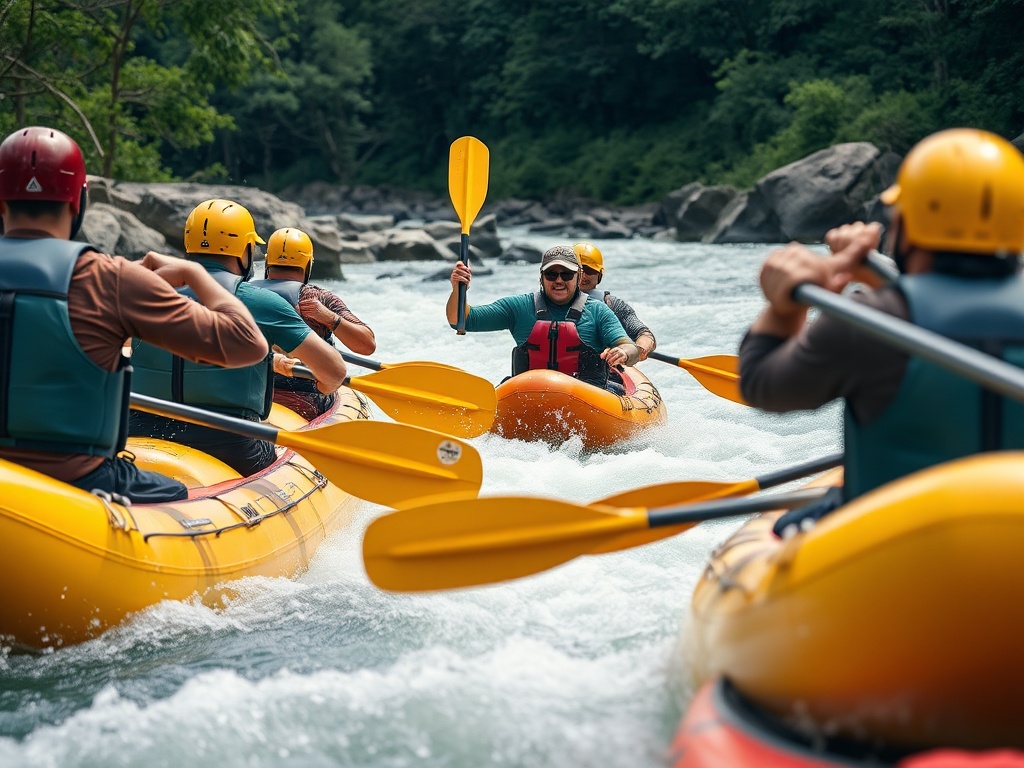
You’re not just along for the ride—you’re part of a team. Even on guided trips, your paddle matters.
Forward Stroke
This is your primary movement. Reach forward, plant the blade fully, and pull through the water alongside the raft. Don’t just splash—engage your core.
Back Paddle
Used to slow down or reposition the raft. Same mechanics, opposite direction. Guides will call this often in tight sections.
High-Side Command
When the raft tilts, you move your body weight to the high side. This prevents flipping. Hesitation here is what causes most beginner spills.
Listen for commands. React quickly. Overthinking gets you off rhythm.
Reading the River: What Beginners Miss
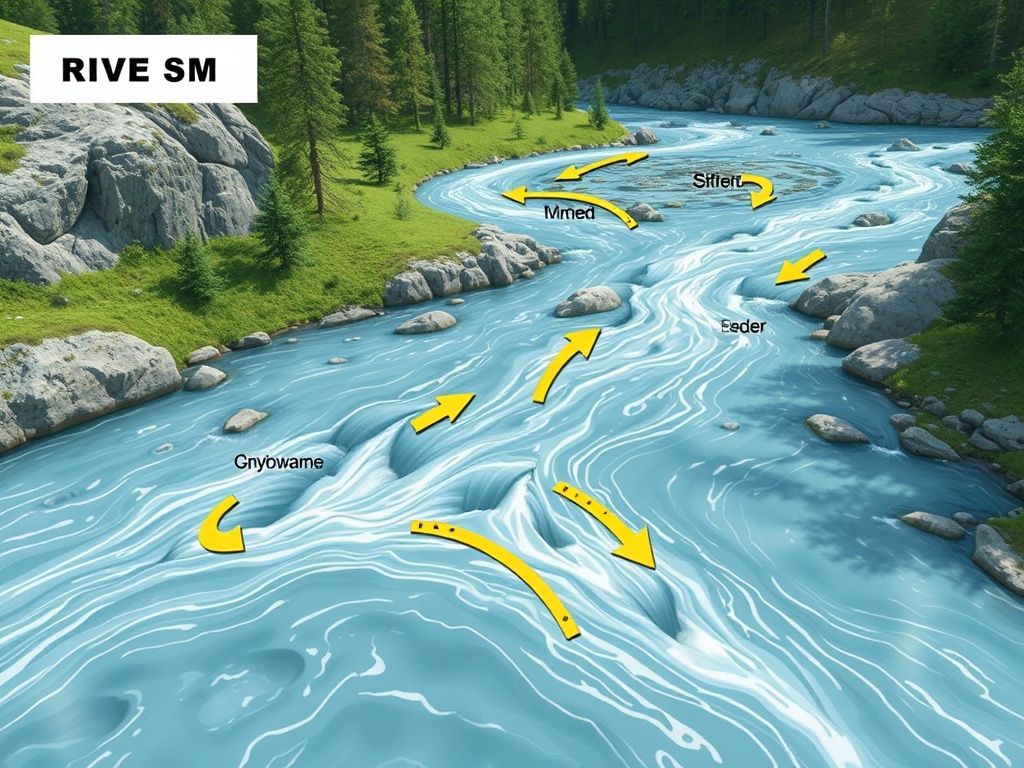
Water isn’t random—it’s predictable once you know what to look for.
- V-shaped tongues: These usually point to the safest path downstream.
- Eddies: Calm water behind obstacles—useful for stopping or regrouping.
- Hydraulics: Churning water that can hold you in place. Avoid head-on hits.
- Strainers: Trees or debris that let water through but not people. Always avoid.
The difference between a smooth run and a chaotic one often comes down to reading these features early—not reacting late.
Safety Habits That Keep You Out of Trouble
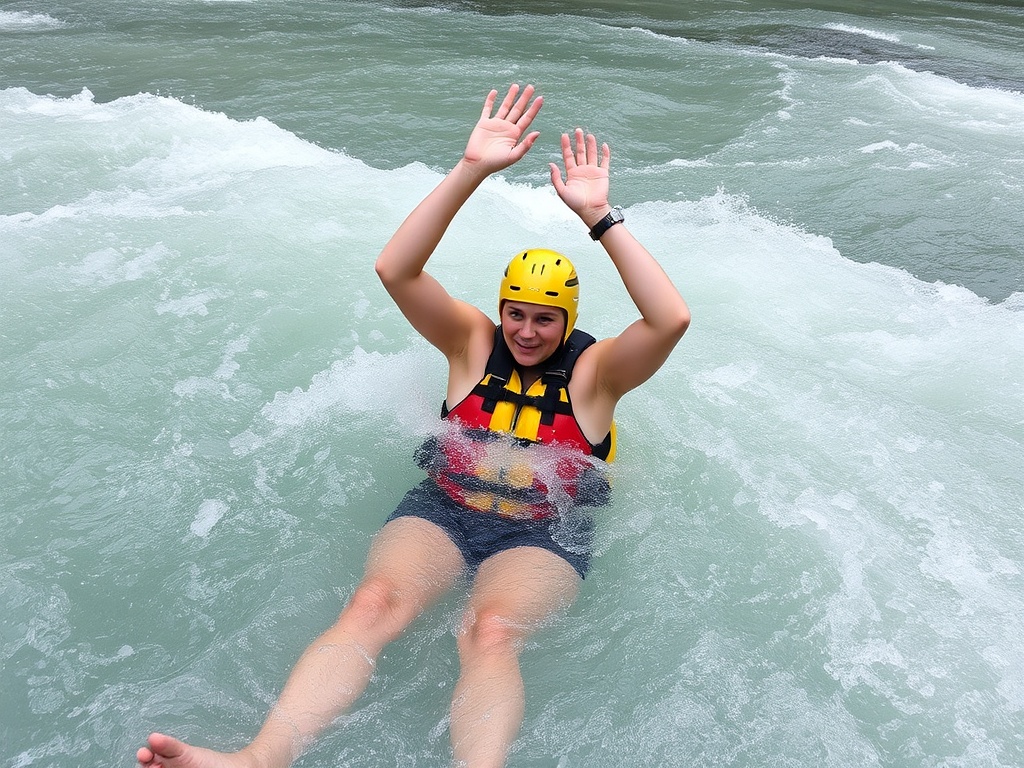
Most incidents in rafting aren’t dramatic—they’re preventable mistakes.
- Always hold your paddle correctly: One hand on the T-grip to avoid injuring teammates.
- Know the swimmer position: On your back, feet up, pointed downstream.
- Don’t stand up in fast water: Foot entrapment is a serious risk.
- Stay with the raft: It’s easier to spot and recover than a lone swimmer.
If you fall out, your job is simple: stay calm, follow instructions, and position yourself correctly. Panic wastes energy and reduces control.
What to Expect on Your First Trip
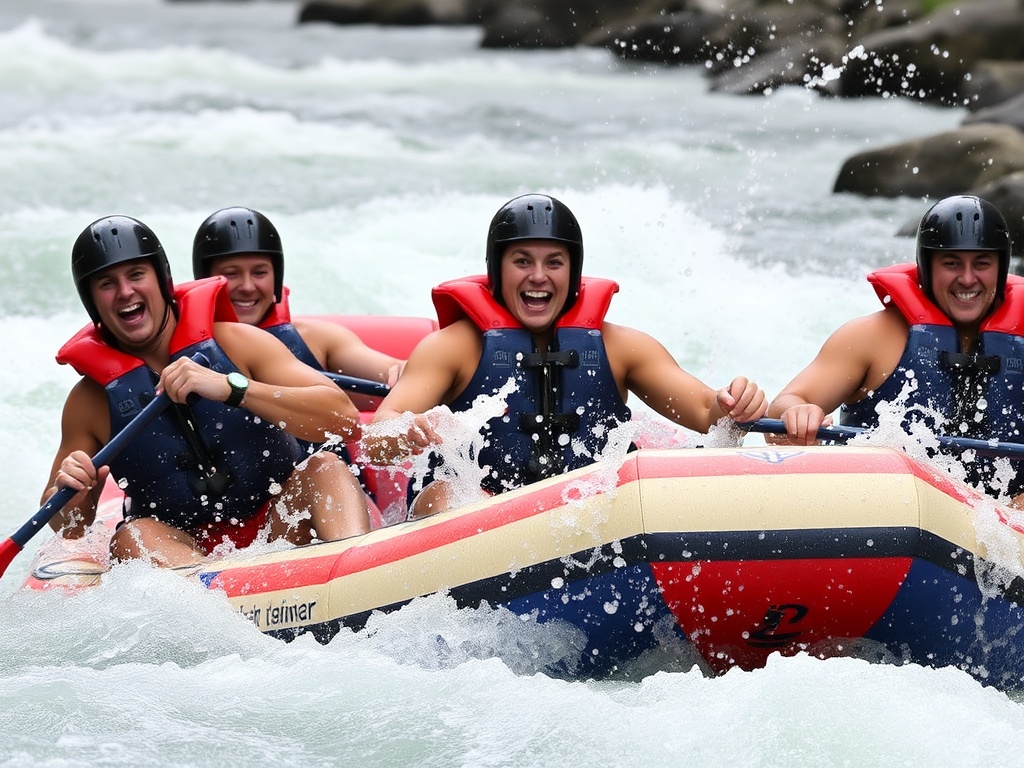
Your first run will feel chaotic at moments—and that’s normal. The noise, the movement, the speed—it’s a lot to process.
Expect to miss a few paddle strokes. Expect to feel slightly out of sync. What matters is staying engaged and listening to your guide. By the halfway point, things usually click, and you start reacting instead of thinking.
Building Confidence After Your First Run
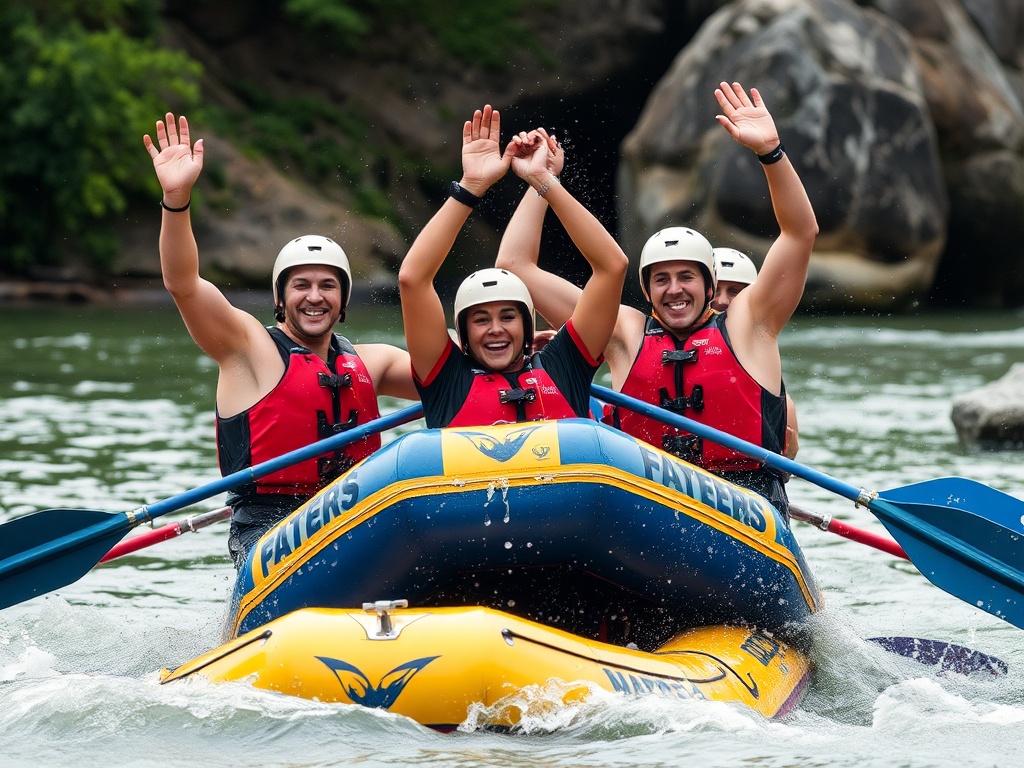
Confidence doesn’t come from one trip—it comes from repetition.
- Run the same river multiple times to understand its features.
- Gradually increase difficulty rather than jumping levels.
- Practice commands and strokes even in calm water.
The fastest way to improve is consistency, not intensity.
Common Beginner Mistakes (and How to Avoid Them)
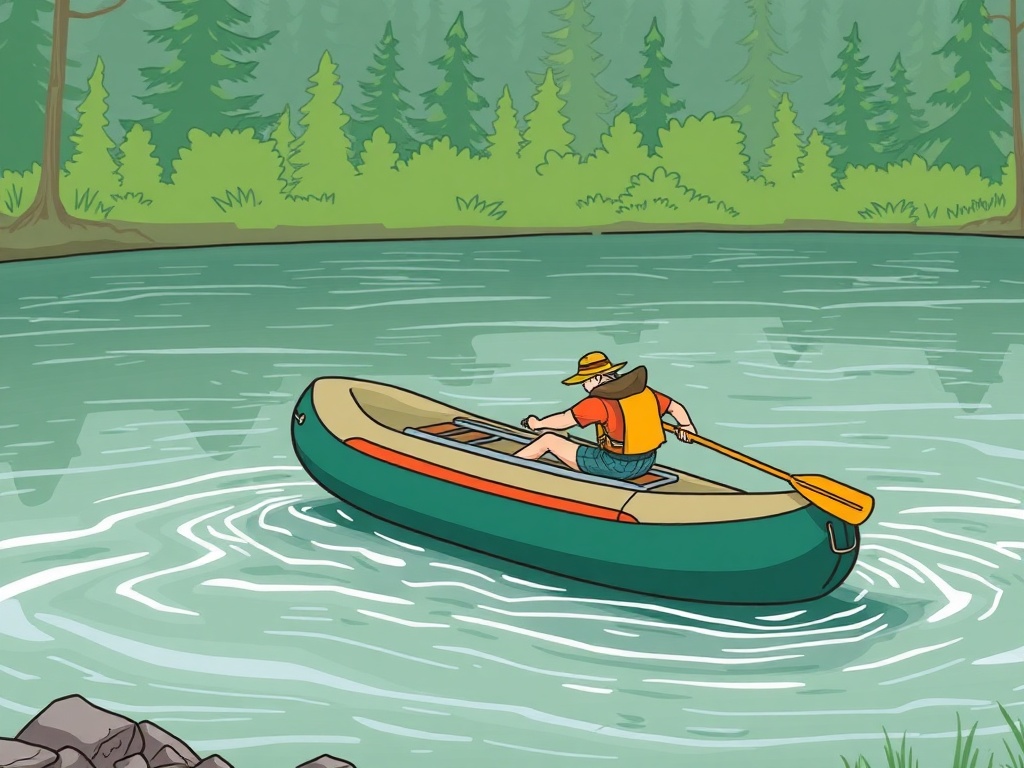
- Leaning the wrong way: Always lean into waves, not away from them.
- Late reactions: Commands are time-sensitive—move immediately.
- Loose grip on paddle: Leads to lost control and missed strokes.
- Ignoring guide instructions: The guide sees what you can’t.
Fixing these early will make every future run smoother and safer.
Final Thoughts: Respect the Water, Enjoy the Ride

Whitewater rafting rewards attention and punishes complacency. Stay alert, stay involved, and respect the river. Do that, and you’ll not only stay safe—you’ll actually enjoy the experience the way it’s meant to be.
Once you’ve felt that first clean run through a rapid, you’ll understand why people keep coming back.