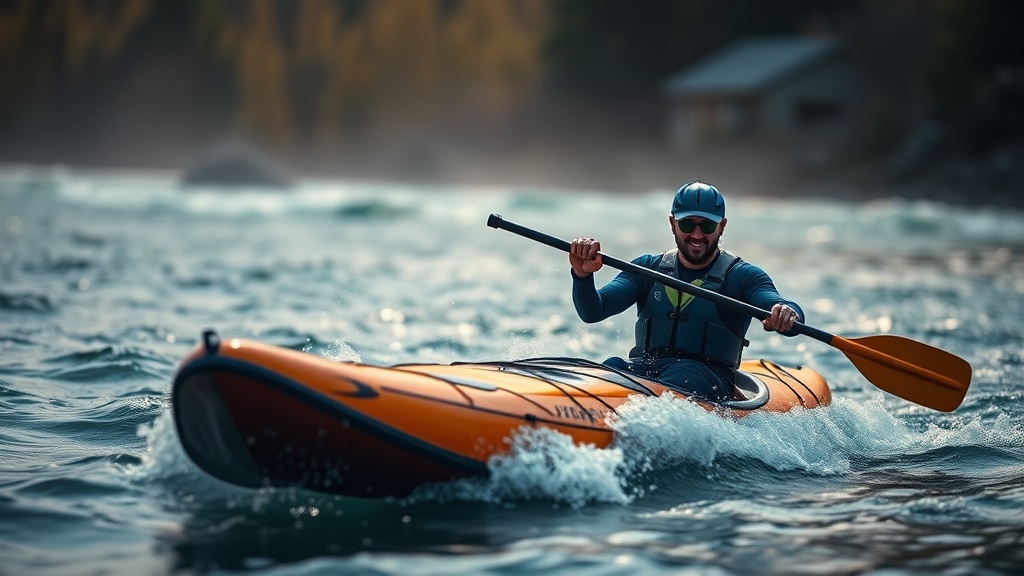
5 Essential Paddle Techniques Every Rafter Must Master

The Forward Stroke: Your Power Engine
The Draw Stroke: Precision Control
The High Brace: Defensive Stability
The Sweep Stroke: Turning Mastery
The Draw Stroke: Lateral Maneuvering
Whitewater rafting demands more than enthusiasm and a life jacket. The difference between a controlled descent through Class III rapids and a chaotic, exhausting struggle often comes down to paddle technique. This post breaks down five core strokes every rafter needs—whether you're guiding commercial trips on the Ottawa River or tackling weekend runs with friends. Master these, and you'll move efficiently, stay stable, and conserve energy when the water gets rough.
What's the Most Important Paddle Stroke for Beginners to Learn?
The forward stroke is the foundation of all rafting. Without it, nothing else works. Most beginners assume paddling hard means going fast, but raw power wastes energy and strains shoulders. The real skill lies in efficiency—using your core, not your arms, to drive the boat forward.
Start with your grip. Hands should be shoulder-width apart, knuckles aligned with the blade. Dip the paddle fully into the water near your feet, keeping the shaft vertical. Pull back smoothly, rotating your torso as you go. The power comes from your abs and back—not your biceps. Exit the water at your hip; going further back actually slows you down.
Here's the thing: most people grip too tight. White knuckles mean tired forearms within twenty minutes. Hold the shaft firmly but relaxed. Let the paddle do the work. Practice on flat water first. The Grand River near Hamilton offers perfect stretches for drilling this—calm enough to focus on form, long enough to build endurance.
Worth noting: paddle length matters. Too long, and you'll overreach; too short, and you lose leverage. For river running, most adults do well with a 197-200cm paddle. The Werner Rio FG remains a solid entry-level choice—durable fiberglass construction, reasonable price point.
How Do You Turn a Raft Quickly in Moving Water?
The draw stroke pulls the raft sideways toward your paddle. Guides use this constantly—sliding toward eddies, adjusting position mid-rapid, or pulling close to another boat for a rescue. Unlike the forward stroke (which moves the boat past the paddle), the draw brings the paddle toward the boat.
Rotate your body to face the direction you want to move. Reach out perpendicular to the raft, planting the paddle about two feet away from the tube. Keep the blade vertical and the power face (the concave side) toward the boat. Pull the paddle straight toward you, keeping the shaft as horizontal as possible. The raft slides sideways. Easy, right?
The catch? Current complicates everything. In moving water, the draw becomes a moving target. You must anticipate where the raft will be, not where it is. Plant early. Pull decisively. Hesitation means missed eddies and long swims.
Experienced paddlers combine draws with pries—the opposite motion, pushing away from the boat. Together, these strokes allow precise maneuvering without forward momentum. That's key when you need to hold position in a technical rapid or inch toward a safe channel.
What Keeps a Raft from Flipping in Big Waves?
Brace strokes prevent capsizing. Period. When a wave hits the side of your raft, your instinct screams to lean away. Wrong move—that exposes the tube to the current, invites water over the side, and flips you faster than you can blink. Bracing means leaning into the wave while using your paddle as an outrigger for stability.
The low brace works in moderate conditions. Hold the paddle with the back face (convex side) down, shaft across your lap. When the boat tilts, slap the back face onto the water surface and push down. The water's resistance stabilizes you. Keep your elbows bent, ready to absorb the impact.
The high brace handles bigger hits. Here, the power face pushes down. Raise your arms, elbows high, and plant the blade on the water's surface. Your body weight transfers through the paddle, creating stability. The high brace demands quick recovery—you don't leave the paddle buried, or you'll roll.
Practice bracing on flat water first. Have a partner rock the boat while you hold position. Graduate to small waves, then bigger ones. Confidence builds slowly. Rush it, and you'll swim.
What's the Difference Between a Good Rafter and a Great One?
Timing and blade angle separate competent paddlers from exceptional ones. Anyone can move a paddle through water. The best rafters read the river, anticipate changes, and adjust their strokes before problems develop. Reactive paddling survives; proactive paddling thrives.
Consider the following:
| Competent Paddler | Exceptional Paddler |
|---|---|
| Reacts to waves after they hit | Anticipates wave timing and braces early |
| Paddles constantly, tiring quickly | Strokes strategically, conserving energy |
| Focuses on power | Focuses on blade angle and entry |
| Follows the guide's commands | Reads water independently, suggests moves |
That said, the gap closes with deliberate practice. Film yourself paddling. Watch the blade entry. Does it knife cleanly into the water, or does it splash? Splash means wasted energy. Clean entry means power transfer. Small adjustments compound over a full day on the water.
How Can Rafters Improve Their Paddle Technique Off the River?
Dryland training builds strength and muscle memory without requiring access to rapids. Core stability, shoulder endurance, and grip strength all translate directly to better paddling. You don't need fancy equipment—a pull-up bar, resistance bands, and a medicine ball suffice.
Start with Turkish get-ups. This kettlebell exercise builds full-body stability, especially in the shoulders and core. Paddlers need strong, stable shoulders that resist injury when bracing against powerful currents. Three sets of five reps per side, twice weekly, makes a noticeable difference.
Resistance band pull-aparts strengthen rear deltoids and improve posture. Paddling hunches you forward; pull-aparts open the chest and protect against shoulder impingement. Use a light band, focus on controlled movement, and aim for three sets of fifteen.
Rowing machines offer the best cardio crossover. Set the damper low (3-4) and focus on stroke rate rather than raw power. Keep your core engaged, drive with your legs, finish with your back—exactly like paddling. Twenty minutes builds endurance without the impact of running.
The catch? No dryland exercise perfectly replicates water feel. You need river time. But fit paddlers last longer, react faster, and recover quicker. That's worth the investment.
Gearing Up: What Actually Matters
Equipment won't replace skill, but poor gear creates problems. Cheap paddles flex under load, wasting energy. Heavy paddles tire arms quickly. The right tool removes friction and lets technique shine.
For most recreational rafters, a mid-range fiberglass paddle hits the sweet spot. The Aqua-Bound Shred offers excellent durability and reasonable weight at around $150. Serious river runners should consider carbon fiber—lighter, stiffer, more responsive. The Werner Powerhouse remains the benchmark here, though at $300+ it's an investment.
Paddle choice depends on your water. Big water rivers like the Zambezi or Futaleufú demand strength and durability. Technical creeks require quick, responsive strokes. Multi-day trips favor lighter weight to reduce fatigue. Match your tool to your mission.
"Technique beats strength every time. A skilled paddler with a basic paddle will outperform a strong athlete with poor form. The paddle is an extension of your body—learn to move it properly before worrying about gear upgrades." — American Canoe Association, Level 4 River Kayak/Raft Manual
Don't forget the small stuff. Paddle leashes prevent losses in swims. Drip rings keep water off your hands in cold weather. A spare paddle (split into two pieces for storage) belongs on every serious trip. These details separate prepared paddlers from those who end trips early.
Putting It Together
These five techniques—forward stroke, draw stroke, brace strokes, timing and angle awareness, and off-river training—form the foundation of competent rafting. None require exceptional athleticism. All demand practice, attention, and humility. The river doesn't care about your ego. It responds to skill.
Start with one technique per trip. Drill the forward stroke until it's automatic. Add the draw. Practice braces in safe water. Film yourself. Take a course from a certified instructor (the American Canoe Association maintains lists of qualified teachers). Progress comes from focused repetition, not random attempts.
The water's waiting. Paddle well.